Insurance-related appraisal records.
Independent artwork descriptions and replacement value opinions to support coverage or claim discussions.
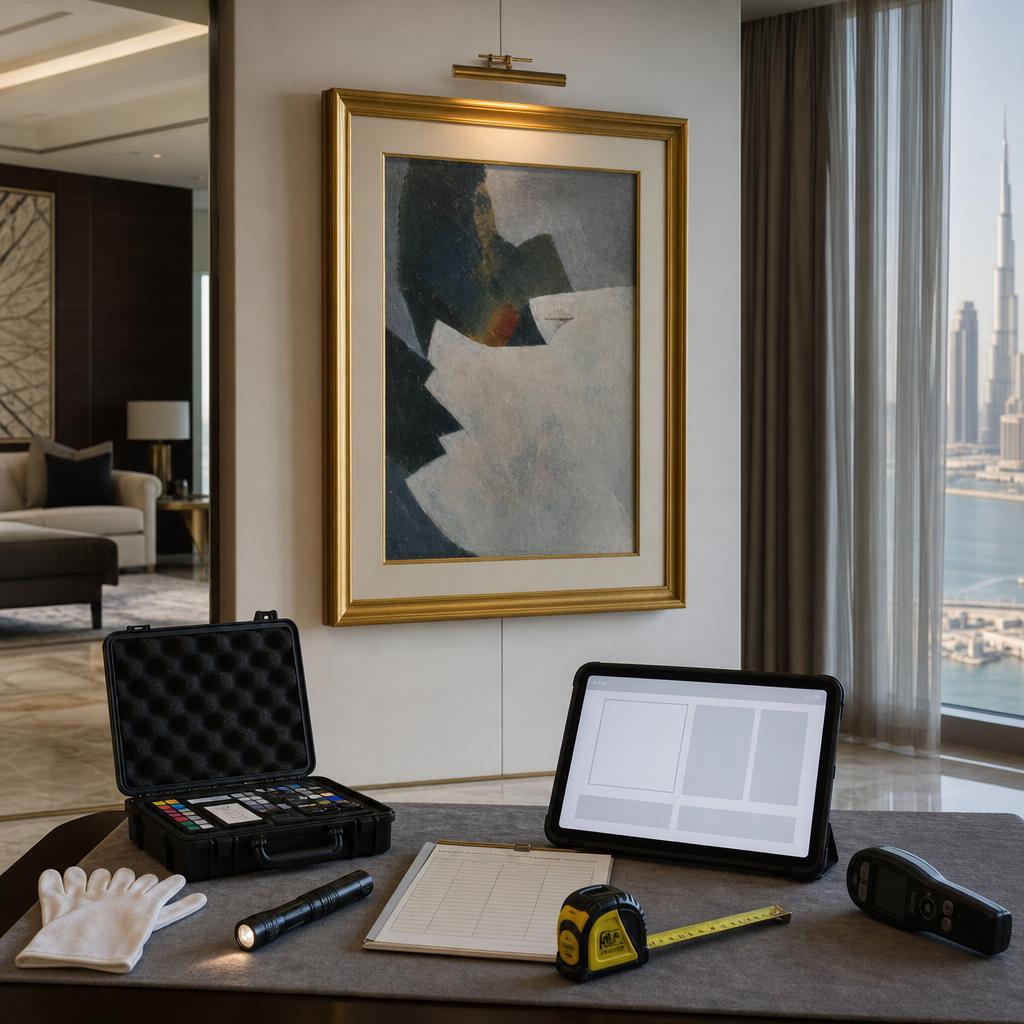
Establishing a baseline for coverage
When scheduling valuable artwork or an art collection, an independent, documented baseline can support a more specific discussion. The assignment may use replacement value when that is the value definition required for the intended use and confirmed with the insurer or broker. The exact definition, market, effective date, and any inclusions or exclusions are stated in the report.
A formal Appraisal Report helps define the artwork precisely, documenting the evidence available for its identity, condition, and value at a specific point in time. This independent evidence can support the owner's discussions with an insurer or broker using current, verifiable market data rather than relying only on estimates or outdated purchase prices.
If an incident occurs, prior documentation can provide useful evidence. Without a pre-existing appraisal or other reliable records, identifying the exact artwork, its relevant characteristics, and its prior condition may be more difficult when discussing damaged or destroyed artworks.
What the report records
An insurance-related Appraisal Report serves as a comprehensive inventory document. For each scheduled artwork, the report explicitly records:
- A detailed description including medium, dimensions, markings, stated attribution, its source, and any unresolved authentication limitations.
- A statement of condition at the time of inspection, noting any pre-existing damage, wear, or restoration.
- The defined Replacement Value and the specific effective date of that valuation.
- The market analysis and methodology used to arrive at the value conclusion, supported by comparable retail data.
Maintaining current documentation
Markets for fine art fluctuate. An appraisal conducted several years ago may not reflect current replacement costs, potentially leaving a collection underinsured in a rising market or overpaying premiums in a falling one.
Collections should be reviewed and appraisals updated on the schedule requested by the client's insurer or broker. Updates are also recommended following material changes to the artwork's condition, significant shifts in the relevant market, or major additions to the collection.
Jurisdiction and limitations
Clients must confirm intended-use requirements with their insurer or broker. Insurers may have specific requirements regarding the qualifications of the appraiser, the format of the report, or the frequency of updates. Artpraisal provides the independent value opinion, but the client is responsible for ensuring the report meets their specific policy requirements.
Not an insurance guarantee or adjusting service: Artpraisal is an independent appraisal practice. We are not an insurer or a loss adjuster. Our reports provide value opinions, but they do not determine coverage, interpret insurance policy terms, decide liability, or guarantee that an insurer will issue a policy or pay a specific claim amount. We do not provide guaranteed transaction outcomes.
Not authentication or legal advice: The report identifies the source and status of the stated attribution and discloses any material assumption used in the analysis. Artpraisal does not authenticate artworks or issue certificates of authenticity. An appraisal also does not clear artworks for export, prove title, or provide legal or tax advice.
Reviewed by Artpraisal · Responsible organization: MONDOIR L.L.C-FZ